Printing Living Walls
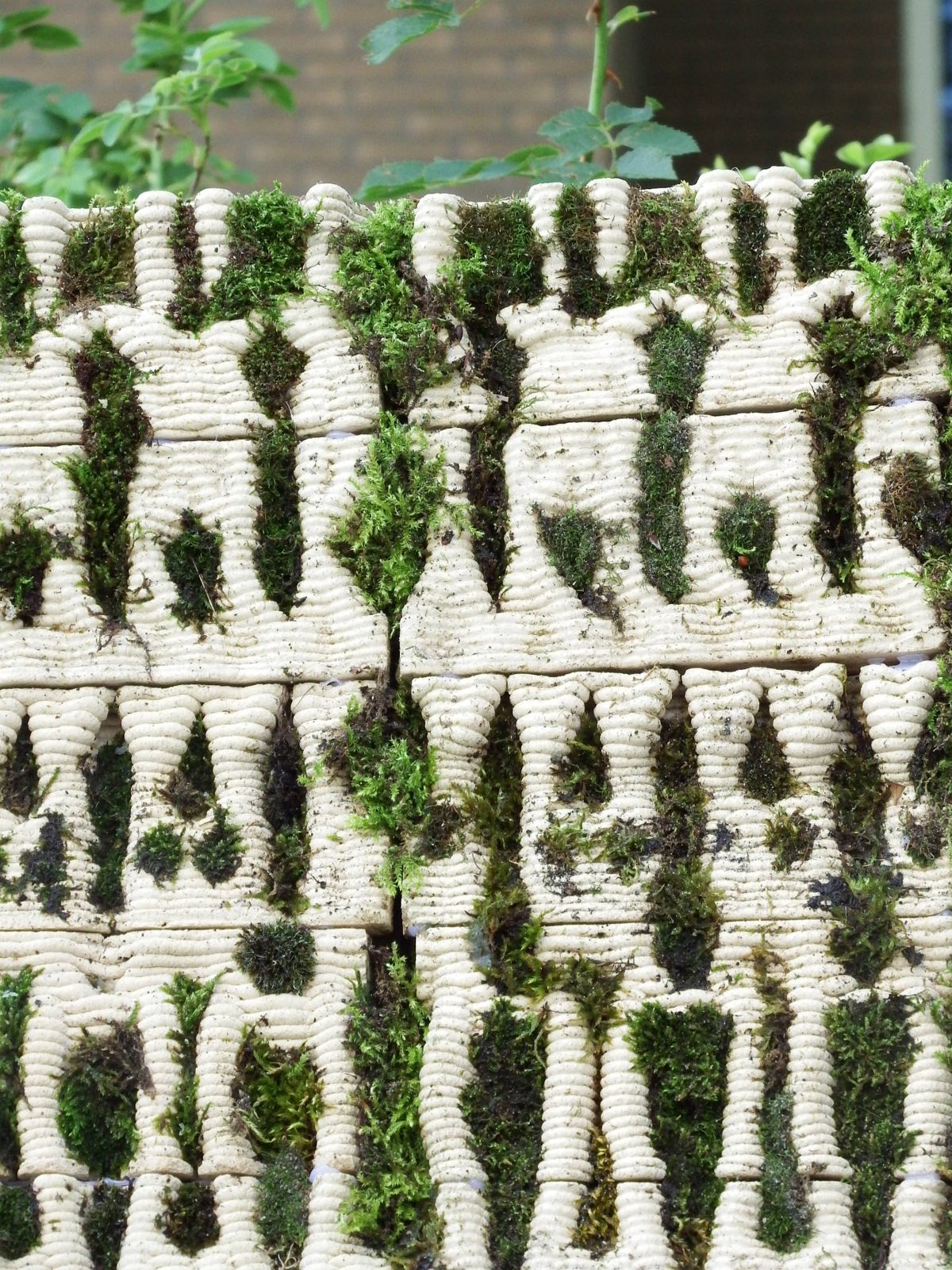
Can a printed surface keep moss alive through a dry summer?
- Kind
- Research before Studio G01
- By
- Pepijn van Rijthoven, graduation project, MSc Integrated Product Design, TU Delft
- Material
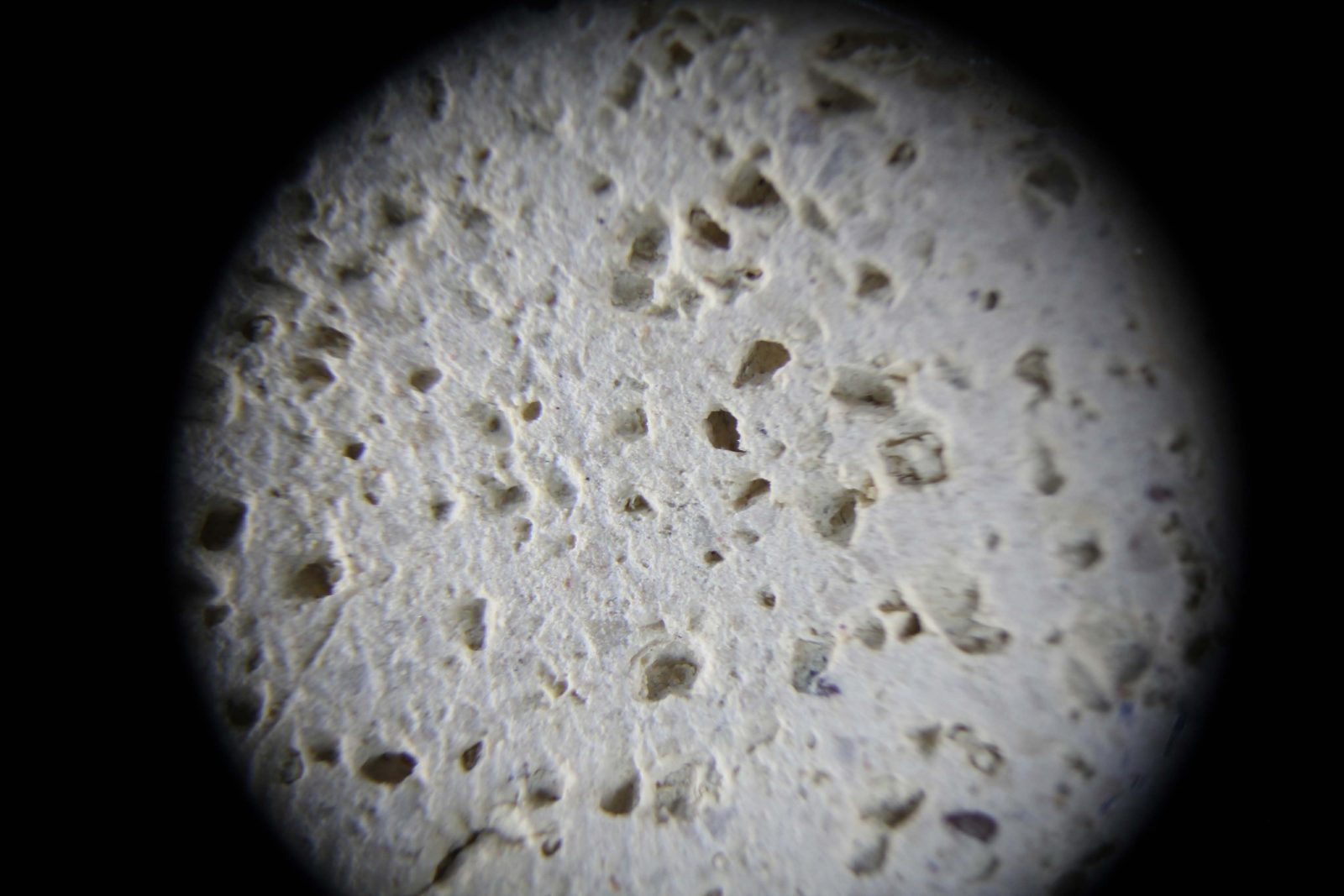
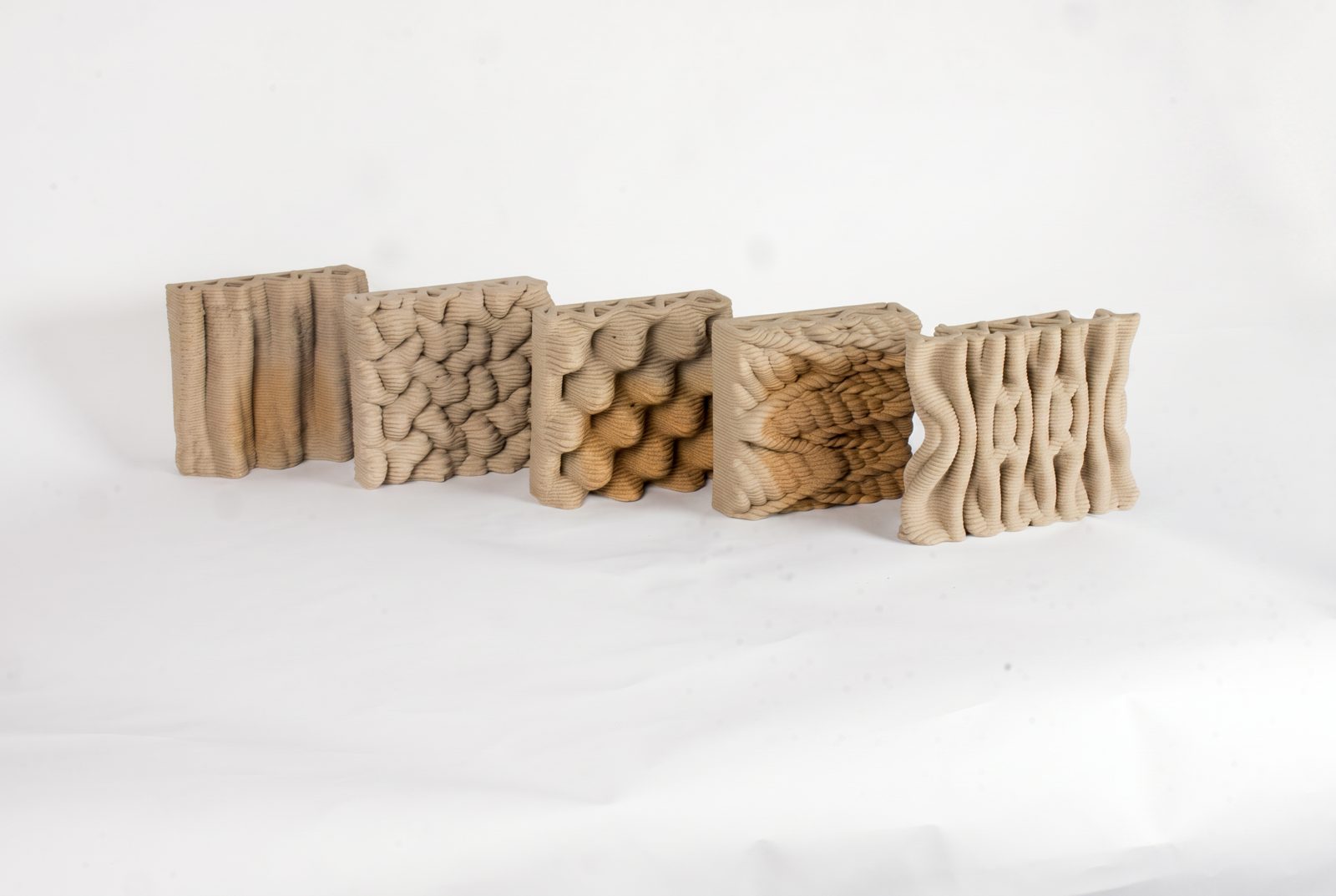
- Porous stoneware, printed, fired at 1100 °C
- Size
- Modules of 7.5 × 7.5 × 15 cm
- Year
- 2025 to 2026
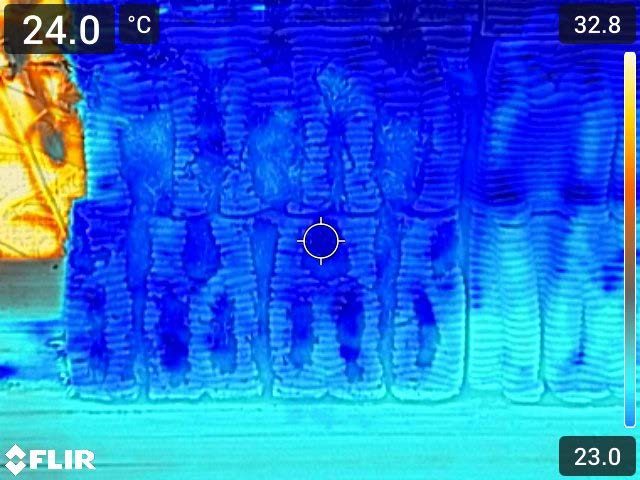
Cities hold heat. Moss on a facade cools the air by evaporation, but it cannot store water, so in a heatwave it dries out and falls dormant. This project prints a porous ceramic tile that harvests and stores rainwater and feeds it back to the moss by capillary action. The clay body, the surface geometry and the wall module were developed together, from recipe to living prototype. In outdoor tests the wet ceramic ran far cooler than a conventional wall.